Our First Lunch and Learn of 2025
It’s a fact. Social media and screens dominate our lives. Many of you are reading this on your phone or iPad right now.
We get news. We stay in touch. We find our way from point A to point B. And artificial intelligence is poised to influence everything we do online. The conversation has exploded to become a fixture in the national discourse.
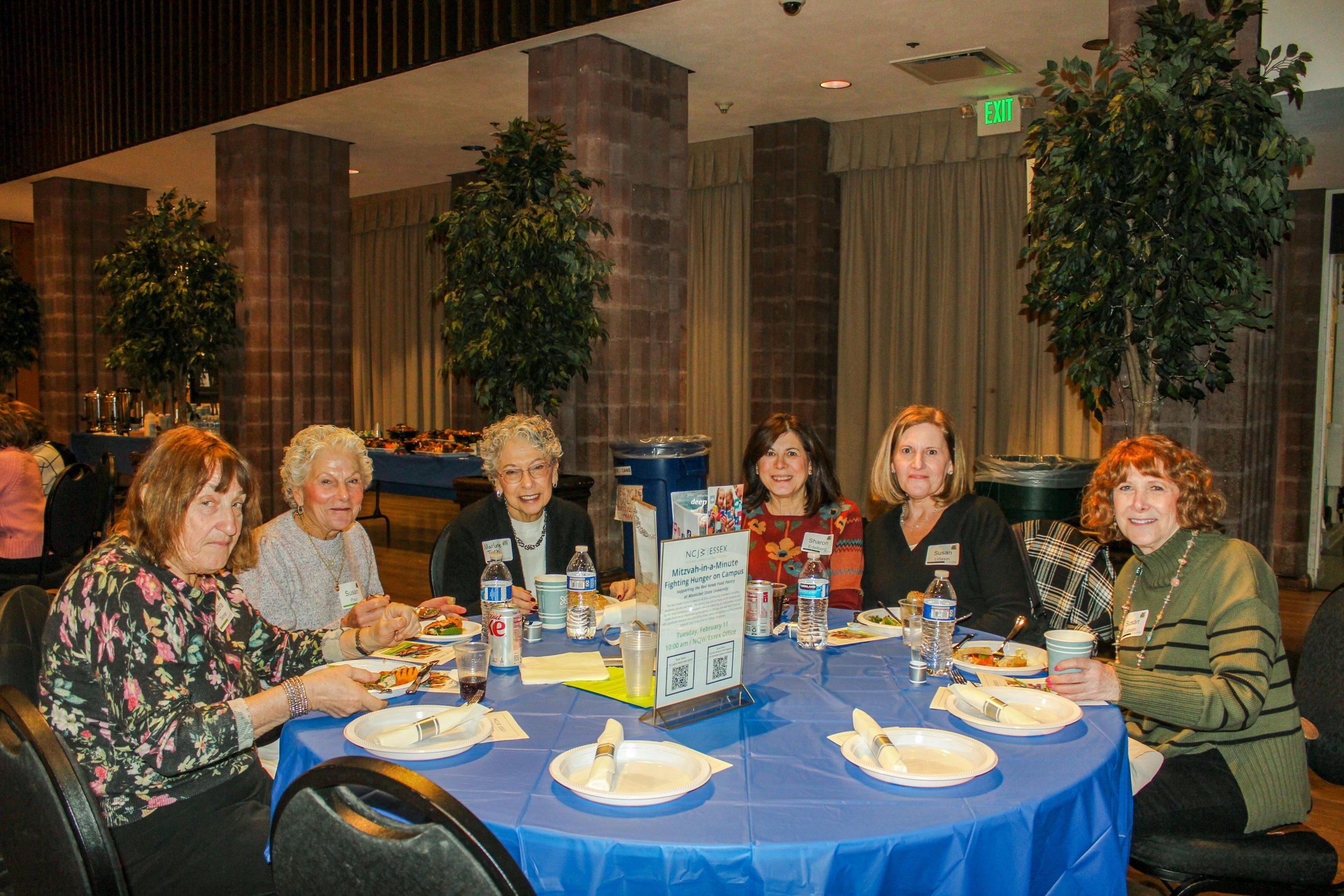
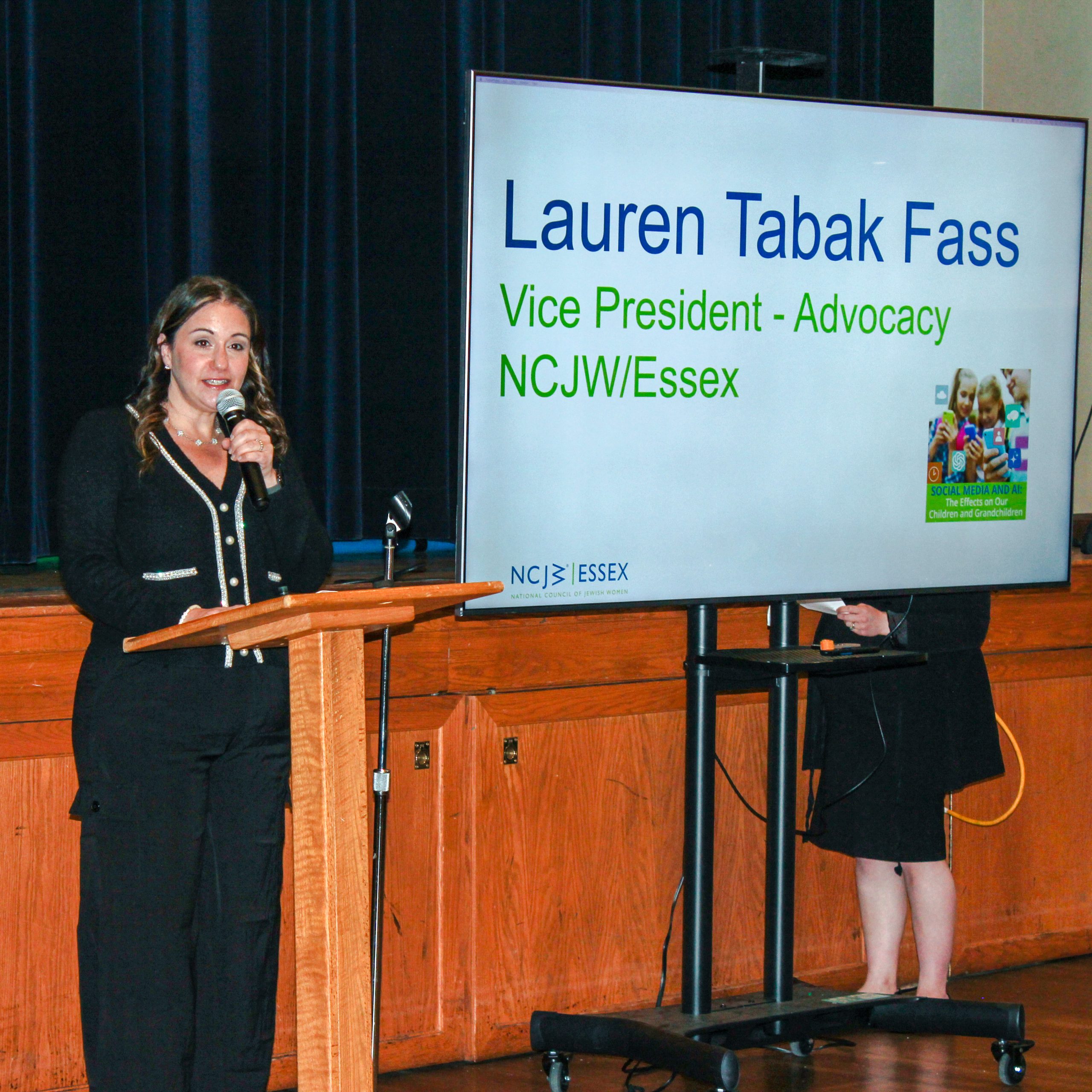
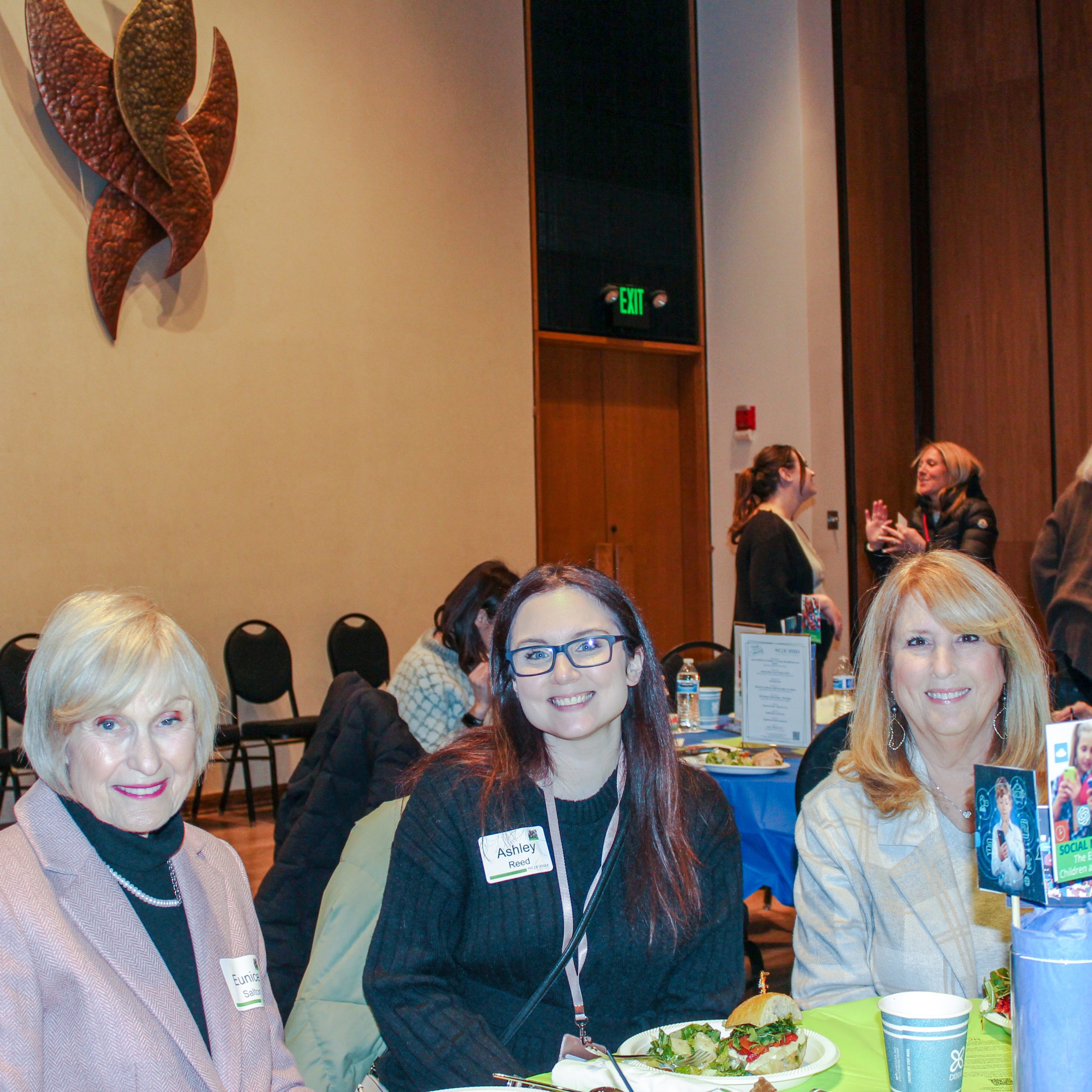
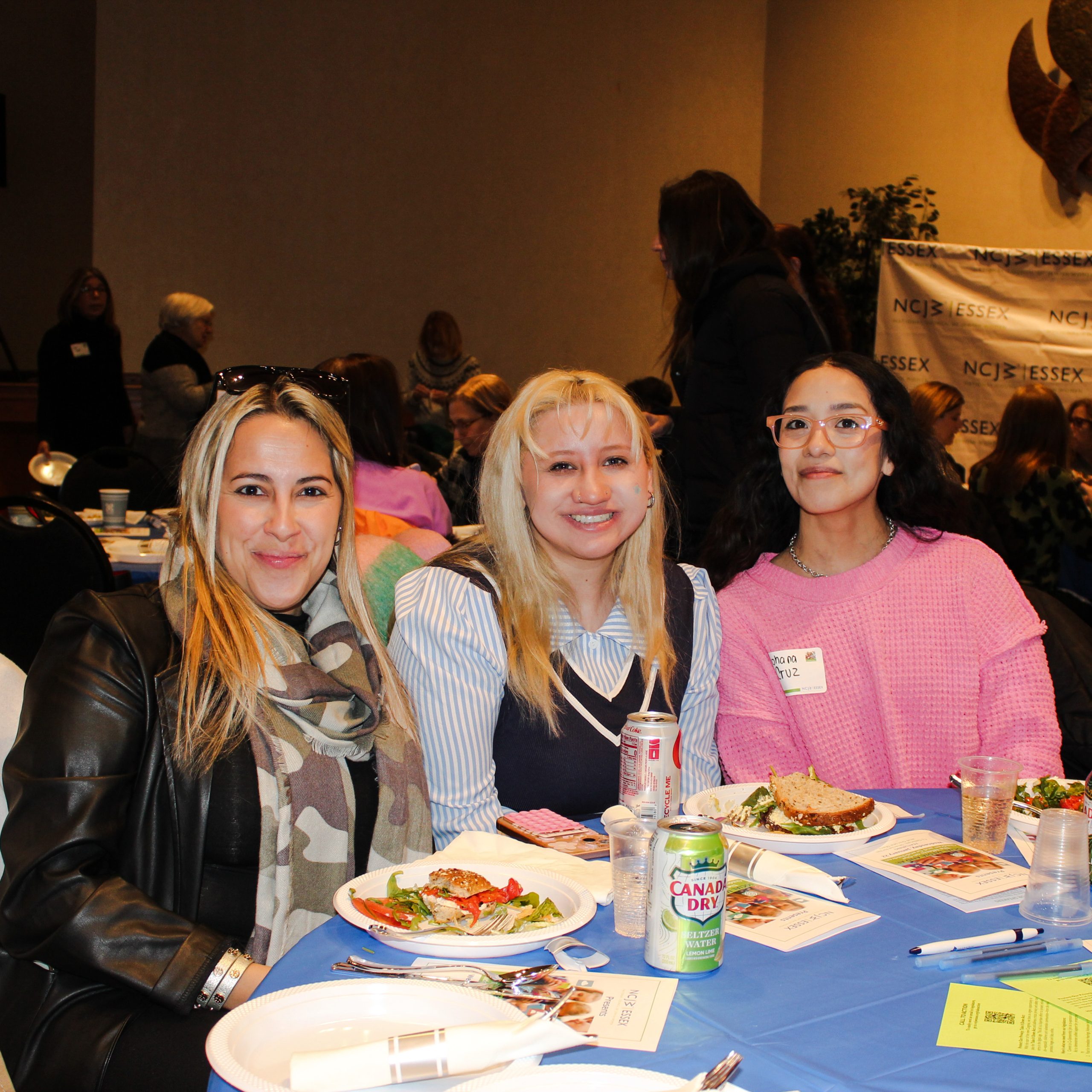
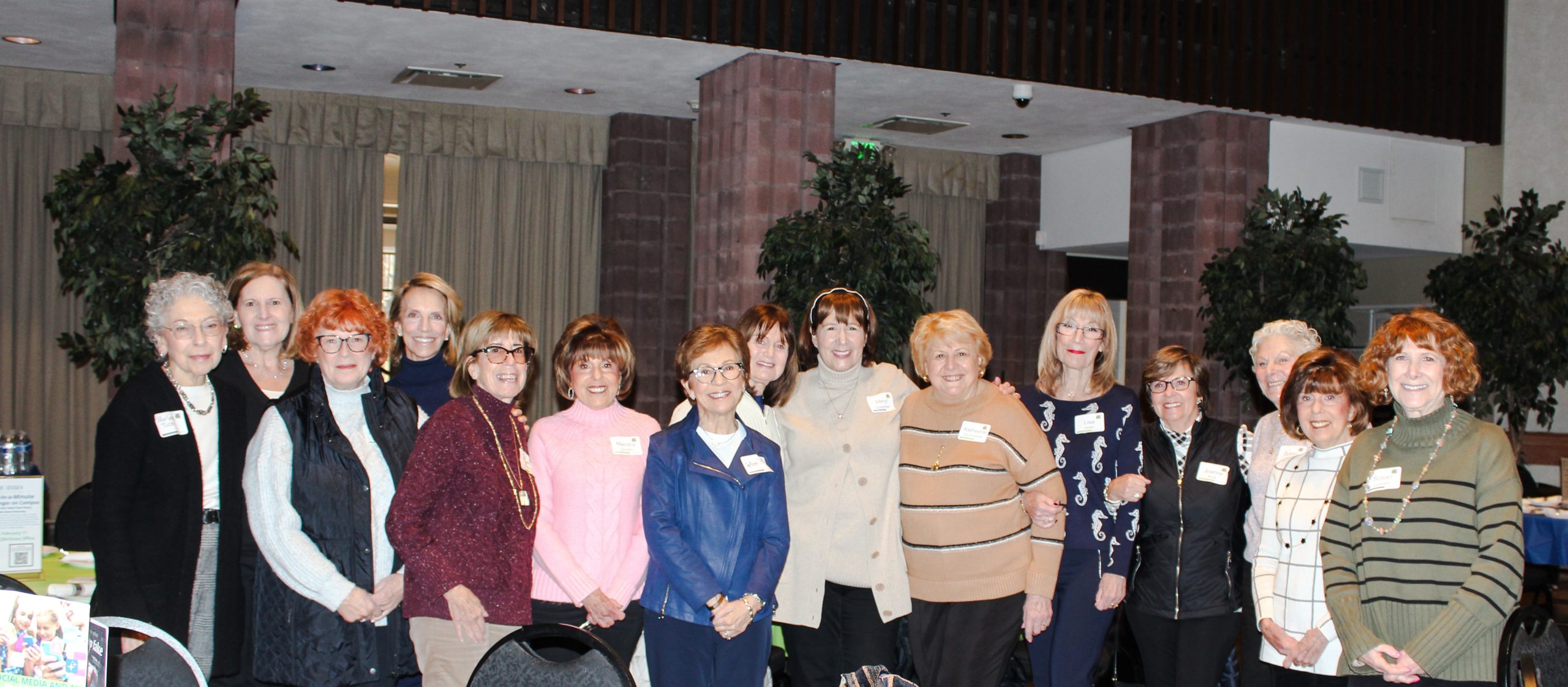
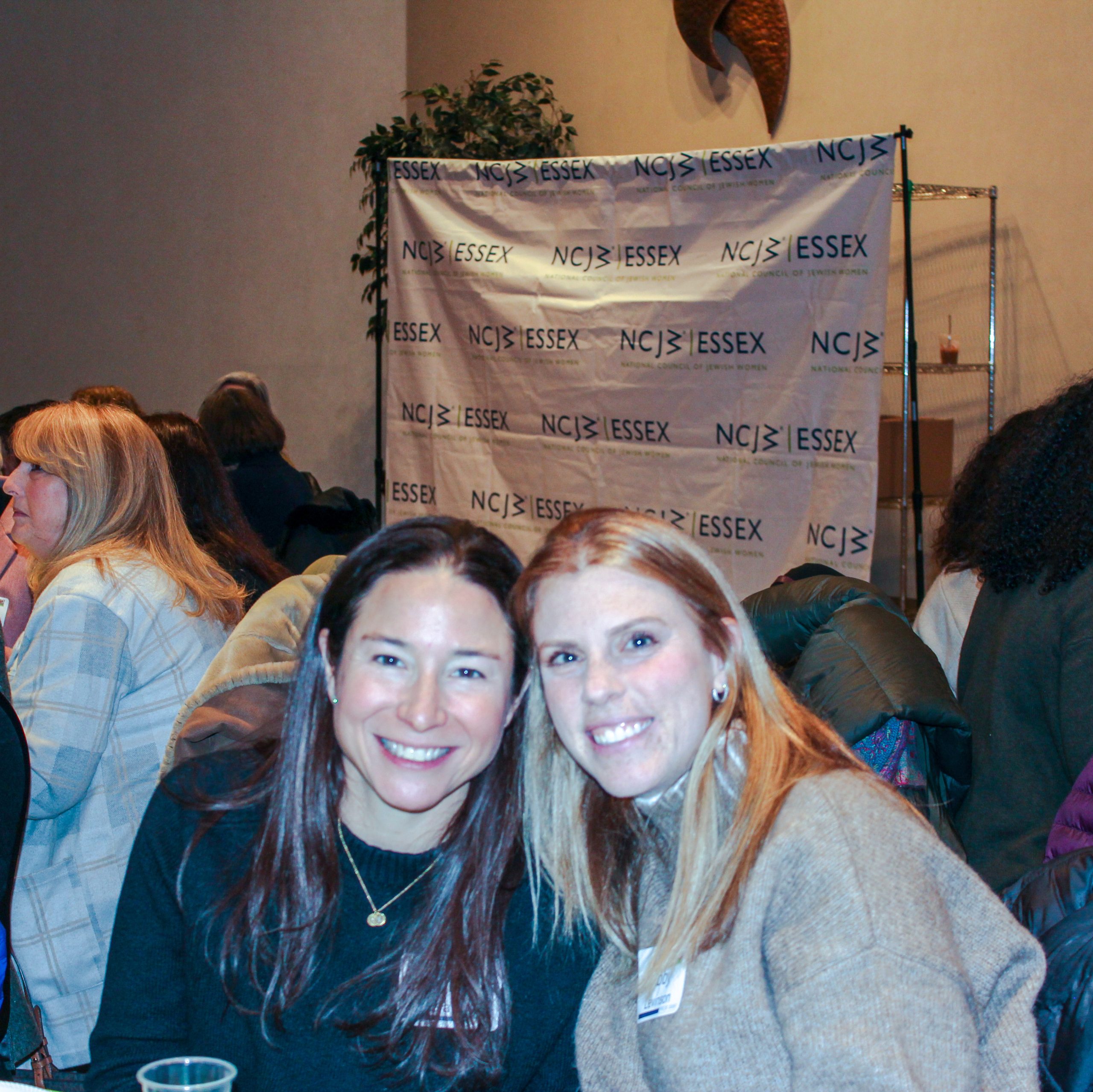
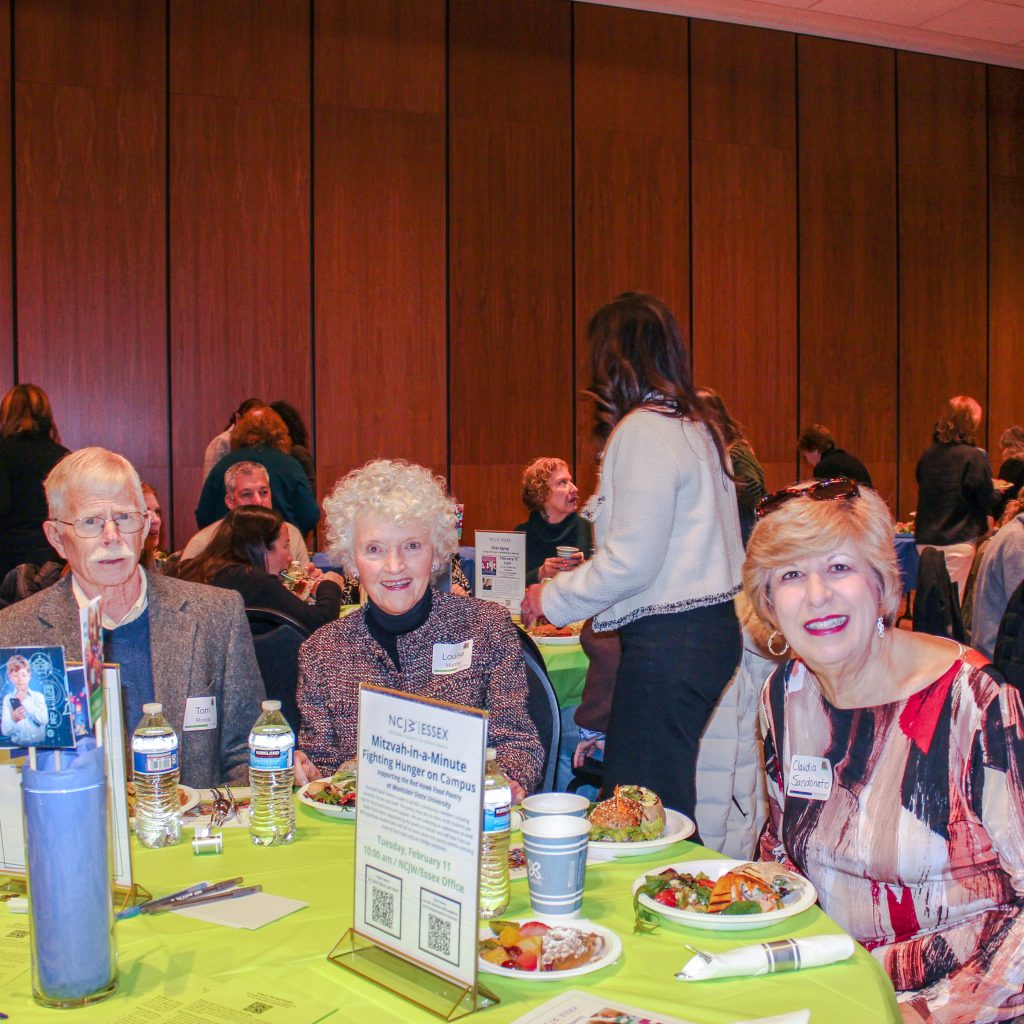
Our Lunch and Learn Committee, led by co-chairs Meryl Goodman and Miriam Haimes, worked with Director of Advocacy Rebecca Grossman and VP of Advocacy Lauren Tabak Fass to assemble an all-star panel to explore the effects of social media and artificial intelligence on our children and grandchildren – and on all of us. On Wednesday, January 22, more than 100 people gathered at Temple B’nai Abraham to listen, lunch and learn.
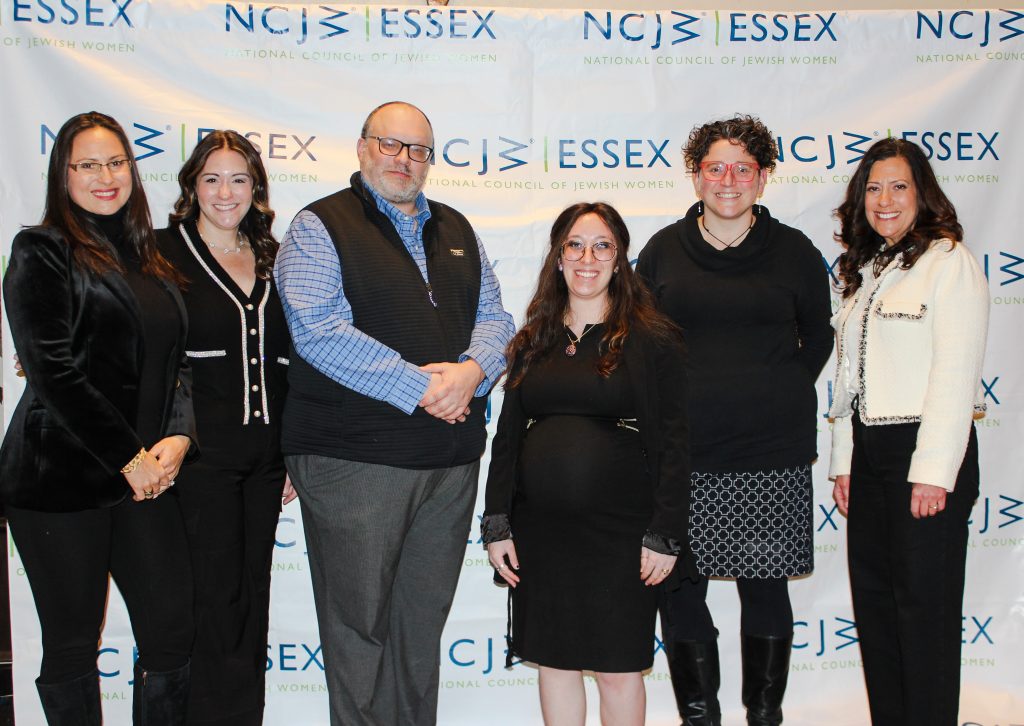
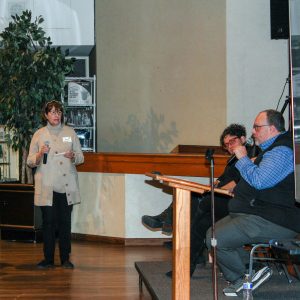
The lessons were many, wrapped in thought-provoking questions like what is social media exactly and how do we think about accountability when things go right … and when things get complicated?
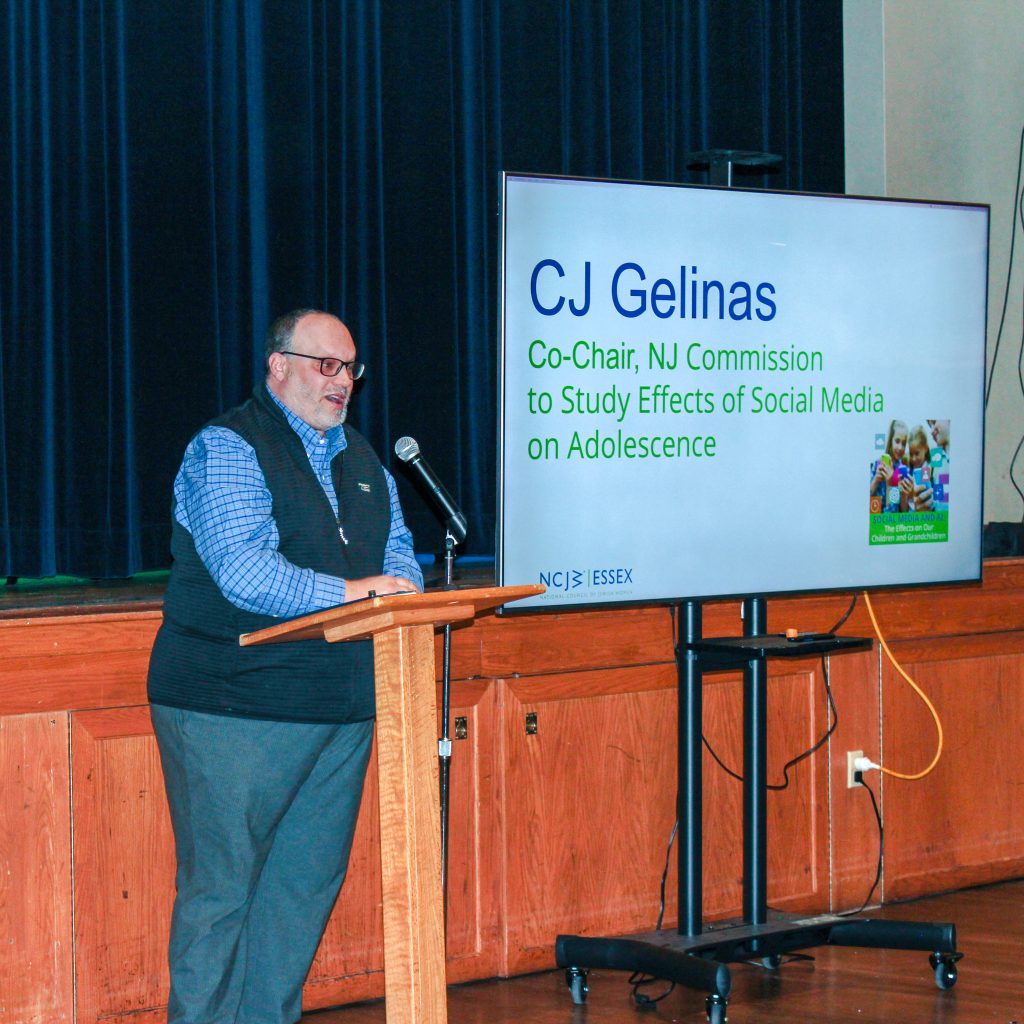
The state of New Jersey established a commission in 2024 to study the effects of social media on adolescents. Co-chaired by our first speaker, CJ Gelinas, the group comprised of parents, educators, medical professionals and others has a formidable task.
“Our first question was to ask, ‘What are we studying and trying to regulate?’,” Gelinas said. “It’s hard to pinpoint where social media starts and ends.”
It’s a valid starting point. Popular apps come to mind when you think about social media, but Gelinas suggested we need to expand our definition. Gaming platforms, messaging platforms and even search engines like YouTube or streaming services like Netflix fall in the social media bucket – they are places that deliver a communal and community experience.
Of course, “social media” has been in our lives for a long time. Over the years, even more things have changed: 1) the ownership of popular apps is concentrated in the hands of fewer and fewer entities; 2) the availability and ubiquity of “hand-held wireless devices” (or smartphones!); and 3) the emergence of technologies like artificial intelligence.
“The ballgame is the smartphone,” according to Gelinas. “Our digital citizenship is tied up in these devices with front-facing cameras that can connect to the Internet.”
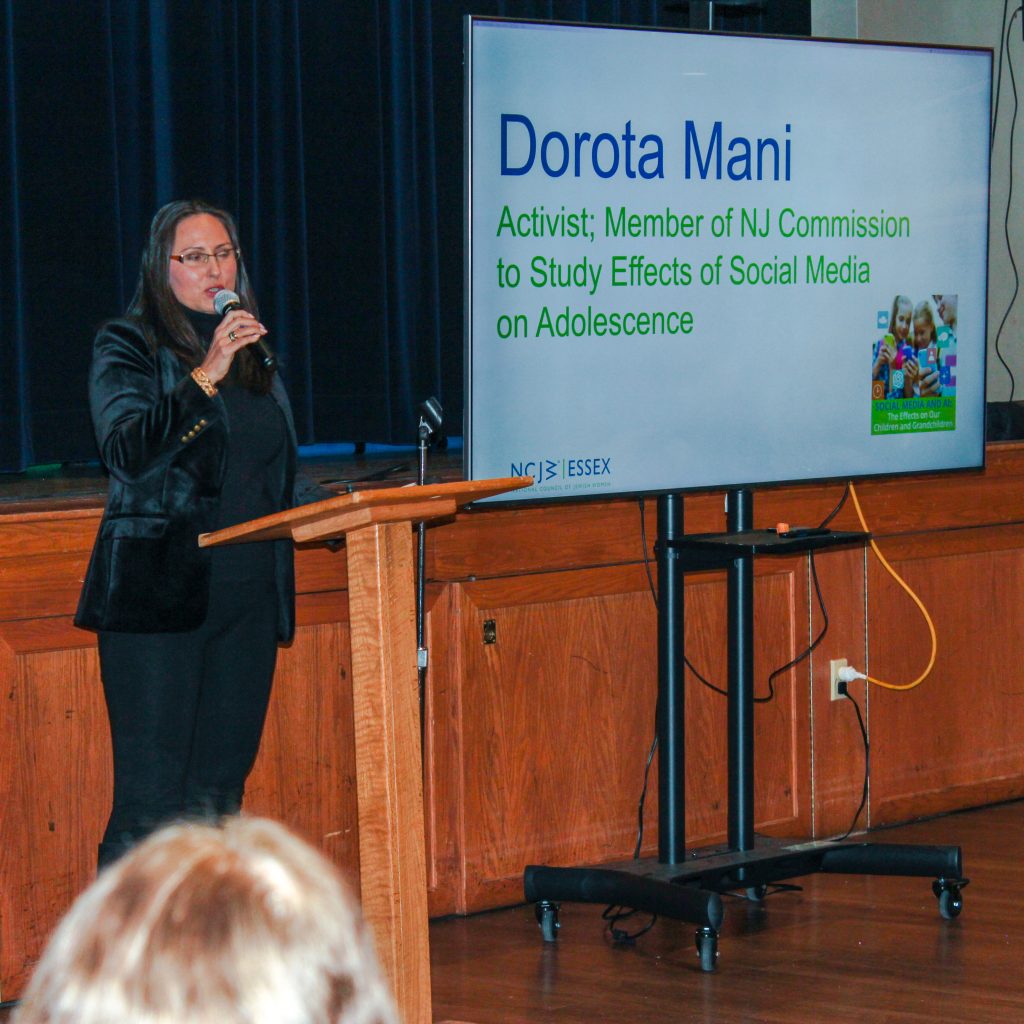
A photo, or more precisely, a deepfake, shared by high school students on a smartphone fueled Dorota Mani’s quest to hold people accountable for their digital activities, especially in the age of artificial intelligence.
Her family’s story is specific, but it could happen to anyone. The Manis discovered a deepfake image of their daughter was shared with members of her high school community. They quickly learned that a deepfake is an image or audio manipulated by AI. They also found out that AI is largely unregulated and the laws and guidance that exist can be confusing.
“Nothing about these situations is truly black and white,” Mani said. “We need to consider the context of each case.” But, just as Mani took action, there are things we can do to ensure the safety and privacy of those around us.
- Speak to our children – both boys and girls – to help them understand what can happen to images and information and to help them understand how to protect themselves.
- Hold the schools accountable – encourage them to implement policies to protect all students and apply them equally and evenly.
- Reach out to elected officials at the local, state and federal levels to remind them of the harm this can cause if they don’t act.
Mani and others advocated for the national Take It Down Act, a bipartisan effort to protect individuals – especially children and vulnerable communities – from the misuse of personal images and data online. The bill is expected to be considered by the Senate and become law later this year. Take Action today to let your elected representatives know you support this important legislation.
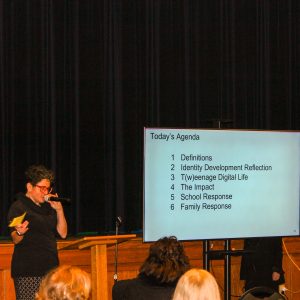
The Take It Down Act attempts to address some of the critical privacy and safety concerns of the digital age. Shanie Israel, dean of Middle School Community Life at Montclair Kimberley Academy, spoke more about the digital life kids experience today.
“We used to have home and school as our communities,” said Israel. “Now it is home and school and our digital lives. Kids used to process what happened to them during the day when they went home – without distractions,” she continued. “Now they – and we – don’t ever get a break!”
While we think we are never bored because there’s always a digital distraction at the tip of our fingertips, these activities in fact lead to increased loneliness, fear of missing out because kids see their peers having a “great time” in an app, and an inclination to value quantity (how many likes did this post receive) over quality (did I spend time learning something or engaging in a real conversation).
Israel said she offers her students and their parents – and us – ways to counter our digital lives. Among them, take the time to listen. She cited a study that showed it takes at least eight minutes to get to what you really want to say … and that takes patience and focus.
Other suggestions were more practical, including thinking about how you use devices and modeling good behavior, creating device-free time either in the car or before bed, and utilizing apps (and the behavior they promote) like “one sec” which forces a pause and a decision before fully opening any app you designate, including social media apps like Instagram and Bluesky.
In the end, each of our speakers returned to similar ideas: while social media will continue to evolve and the definition will continue to expand, it is here to stay. There is good in what it can do, but we cannot ignore potential repercussions, including letting the marketplace develop completely unchecked. Accountability is key – both for those who own and manage the technology and for all of us and our families in how we engage with it.
And, as we did at the Lunch and Learn, talking about what it means and what we can do about it is the best practice of all.